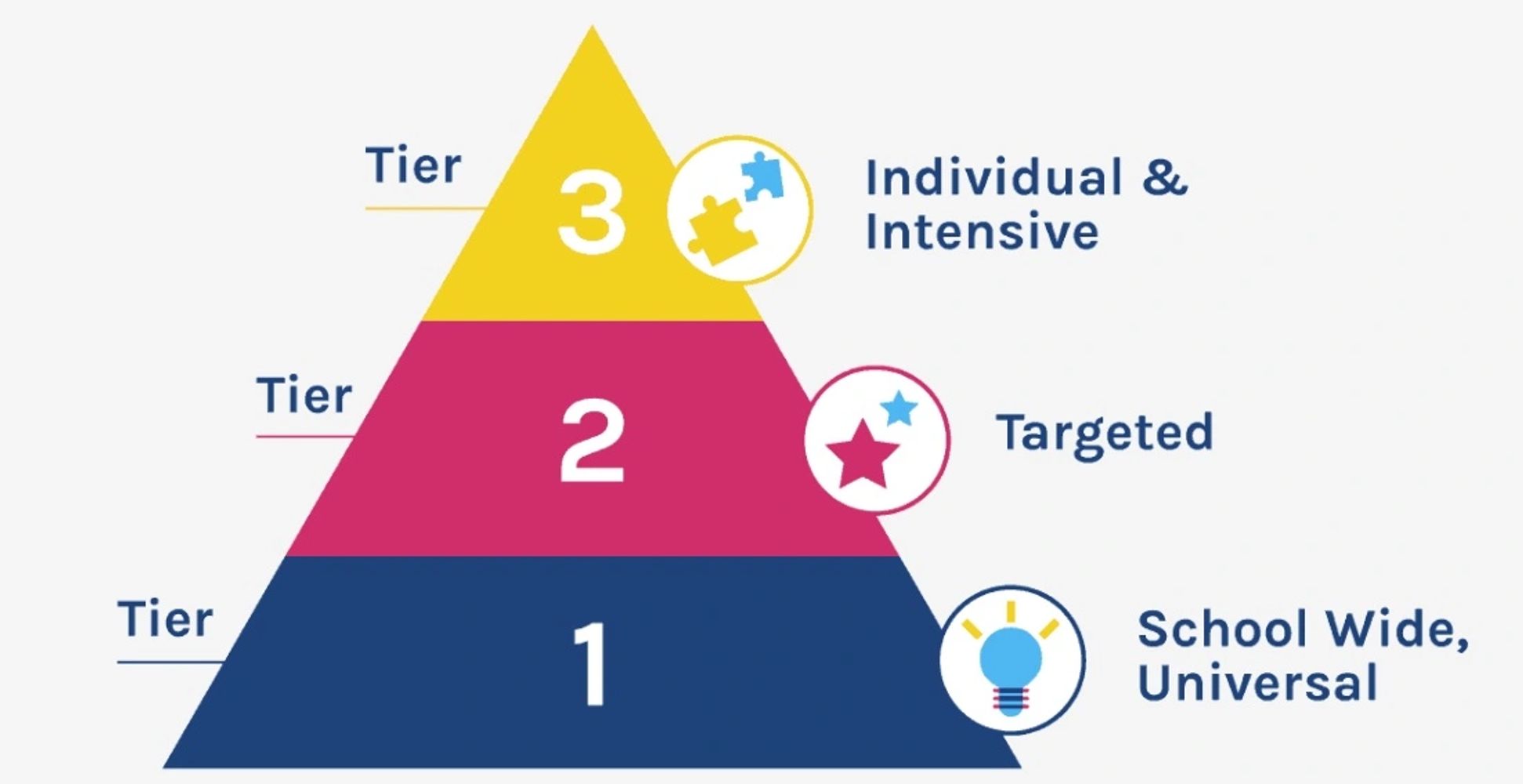

Finding the right math intervention program can make a measurable difference for struggling students. This page reviews 18 of the most widely used free and paid math intervention programs for elementary and middle school — all aligned to MTSS (Multi-Tiered System of Supports) and RTI (Response to Intervention) frameworks. Each program summary covers the grade level, cost, instructional approach, and links to a full in-depth review. Whether you are looking for a Tier 2 math intervention for small groups or a Tier 3 intensive math program for your most at-risk students, this comparison will help you make an informed decision.

Early math intervention is most effective when it starts before students fall too far behind. The programs below target foundational numeracy skills — number sense, counting, place value, and basic operations — for students in Pre-K through third grade.

The Primary Numeracy Intervention Program is a free, comprehensive K–3 math intervention developed by Numeracy Consultants. It is one of the few fully free programs that includes diagnostic assessments, structured lesson frameworks, and more than 100 teacher resources. Instruction follows a CRA (Concrete-Representational-Abstract) sequence, which is one of the most well-supported approaches in evidence-based math intervention research. Optional paid professional development (Level 2 and Level 3 training) is available for schools that want deeper implementation support.
Best for: K–3 teachers and intervention specialists looking for a no-cost, evidence-aligned program
Cost: Free |
Grades: K–3 |
Format: Teacher-led, small group

ROOTS is a structured Kindergarten math intervention program consisting of 50 explicit, scripted lessons. Small group sessions — typically 3 to 5 students — build foundational skills in counting, base ten, place value, and early number operations. The structured lesson design makes it easy to implement with fidelity, even for interventionists with limited math backgrounds. ROOTS is commonly used as a Tier 2 Kindergarten math intervention within MTSS systems.
Best for: Kindergarten students who need targeted, small-group numeracy support
Cost: Paid |
Grades: K |
Format: Small group (3–5 students), scripted lessons

Number Rockets is a Tier 2 math intervention program for first grade students who are not meeting grade-level expectations in early arithmetic. Lessons are structured and explicit, moving students through a CRA progression from hands-on materials to representational models to abstract computation. This program has strong research support, including studies through the What Works Clearinghouse.
Best for: First graders with gaps in early addition and subtraction.
Cost: Paid |
Grades: Grade 1 |
Format: Small group, explicit instruction
Pre-K Mathematics is a teacher-guided early childhood math curriculum designed for children ages 3–5. Lessons focus on counting, shapes, spatial reasoning, and pattern recognition — the foundational concepts that predict later math achievement. The program integrates family involvement, making it effective both in classroom and home settings.
Best for: Pre-K teachers building early math skills before kindergarten
Cost: Paid |
Grades: Pre-K (ages 3–5) | Format: Teacher-led with family engagement activities
Building Blocks is a research-based preschool math intervention that combines hands-on activities, small-group instruction, technology tools, and family engagement. The program is built on a learning trajectories approach, meaning activities are sequenced to match how young children naturally develop mathematical thinking.
Best for: Pre-K programs seeking a comprehensive, research-backed early math curriculum
Cost: Paid |
Grades: Pre-K |
Format: Small group and whole class
Focus Math is a K–3 RTI math intervention program that provides personalized, evidence-based instruction for students who are at risk. It aligns closely to MTSS and RTI frameworks, with built-in progress monitoring tools and flexible grouping options. Implementation can fit into existing school schedules as either a supplemental period or an extended core block.
Best for: Schools looking for a K–3 intervention with built-in progress monitoring
Cost: Paid |
Grades: K–3 |
Format: Small group, flexible scheduling
Adaptive technology programs can personalize math intervention to each student's level, making them a valuable supplement to teacher-led instruction. The following programs are among the most widely used in schools today.
Freckle offers personalized, adaptive math practice for students in grades K–8. The free version gives teachers access to differentiated assignments and basic reporting. The paid version adds more detailed data, adaptive pathways, and additional content. Freckle is commonly used in schools as a Tier 1 differentiation tool and as supplemental practice for students in Tier 2 intervention groups.
Best for: Teachers who need a flexible tool for differentiating math practice across levels.
Cost: Free and paid tiers |
Grades: K–8 |
Format: Computer-based, adaptive
IXL provides interactive math practice across thousands of skills from Pre-K through Algebra 2. The program offers personalized learning paths and real-time diagnostic data. Free daily practice is available; a full subscription unlocks the complete skill library and analytics dashboard. IXL is used in schools as both a core supplement and an RTI progress monitoring tool.
Best for: Schools looking for comprehensive, data-driven practice across all grade levels
Cost: Free limited / Paid subscription | Grades: Pre-K–12 |
Format: Computer-based, adaptive
DreamBox is a subscription-based adaptive math program that covers counting, place value, geometry, fractions, and more through interactive digital lessons. The program's adaptive engine adjusts difficulty in real time based on student responses. Free Teacher Tools are available separately, allowing educators to use virtual manipulatives for whole-group or small-group instruction even without a school subscription.
Best for: Schools investing in a robust adaptive math platform for K–8
Cost: Paid subscription; free Teacher Tools |
Grades: K–8 |
Format: Computer-based, fully adaptive
Math fact fluency — the ability to recall addition, subtraction, multiplication, and division facts quickly and accurately — is a critical skill that frees up cognitive resources for more complex problem solving. The programs below are specifically designed to build fluency through structured, repeated practice.

Imagine Math Facts uses 3D game environments to build math fact fluency across all four operations: addition, subtraction, multiplication, and division. Students progress at their own pace, making it easy to differentiate within a classroom or intervention group. The program is used in schools as a supplemental fluency tool within Tier 1 and Tier 2 math instruction.
Best for: Students in grades 2–6 who need engaging, self-paced fluency practice
Cost: Paid |
Grades: 2–6 |
Format: Computer-based, self-paced

XtraMath is a free online math fluency program that targets addition, subtraction, multiplication, and division facts. Students log in daily for short, timed practice sessions designed to build automatic recall. Teachers receive detailed reports showing which facts each student has mastered and which still need work, making it a useful progress monitoring supplement for fluency goals.
Best for: Classrooms and intervention groups that need free, easy-to-use daily fluency practice.
Cost: Free |
Grades: 1–6 |
Format: Online, self-paced with teacher reporting

Immersion with Facts is a free, research-backed math intervention specifically targeting multiplication fact fluency. Unlike timed drill programs, Immersion with Facts builds both fluency and conceptual understanding simultaneously. Sessions take only a few minutes per day and the program works on tablets and laptops, making it easy to implement.
Best for: Students in grades 3–5 who struggle with multiplication facts
Cost: Free |
Grades: 3–5 |
Format: Online, tablet-friendly
These free tools and resource libraries support math intervention planning, lesson design, and student practice without requiring a budget.
Illuminations is a free K–12 math resource from the National Council of Teachers of Mathematics (NCTM). The site offers interactive lessons, games, and activities organized by grade band and math topic, including number sense, geometry, algebra, measurement, and data analysis. It is a strong supplemental resource for intervention specialists designing lessons aligned to NCTM math standards.
Best for: Teachers looking for standards-aligned lessons and activities at no cost
Cost: Free |
Grades: K–12 |
Format: Online lessons, games, activities
The Math Learning Center offers free virtual math manipulatives, interactive apps, printable activities, and games for students and teachers. Tools include number lines, fraction bars, geoboards, and base ten blocks — all of which are essential for CRA-based math intervention. Resources are available for teachers, parents, and students.
Best for: Intervention specialists who need free digital manipulatives for concrete and representational instruction
Cost: Free |
Grades: Pre-K–6 |
Format: Online apps and printable resources
ICT Games provides free, tablet-friendly math and literacy games for children ages 5–10. Games are ad-free and classroom-tested, covering number recognition, counting, arithmetic, and basic geometry. It is a popular resource in primary-grade math intervention settings for engaging practice activities.
Best for: K–3 teachers and interventionists who want free, engaging digital math games
Cost: Free |
Grades: K–4 |
Format: Online games, tablet-compatible
Box programs are all-in-one math intervention curriculum packages that include lesson materials, student workbooks, manipulatives, and teacher guides — everything needed for a structured, year-long intervention.
Bridges Intervention is a K–5 evidence-based math intervention program that provides tiered support across number sense, operations, and geometry. It is designed for use within MTSS frameworks as a Tier 2 or Tier 3 supplement to the Bridges in Mathematics core curriculum. Built-in progress monitoring tools allow teachers to track student growth over time.
Best for: Schools already using Bridges in Mathematics as their core curriculum
Cost: Paid |
Grades: K–5 |
Format: Box program with materials, workbooks, and teacher guide
Do The Math is a supplemental math intervention program by Marilyn Burns that focuses on number and operations — the skills most closely linked to overall math achievement. The program covers addition, subtraction, multiplication, division, and fractions through a structured, teacher-led instructional approach. It is widely used in grades 1–8 as a Tier 2 or Tier 3 math intervention..
Best for: Schools looking for a structured, teacher-led intervention focused on number and operations.
Cost: Paid |
Grades: 1–8 |
Format: Box program with manipulatives and student materials
Math 180 is a blended math intervention program from HMH designed for students in grades 5–12 who are significantly behind grade level. The program combines digital adaptive lessons with teacher-led instruction to rebuild foundational math skills and develop problem-solving strategies. It targets students who have fallen years behind and need intensive, structured support to catch up.
Best for: Middle and high school students with significant math deficits
Cost: Paid |
Grades: 5–12 |
Format: Blended (digital + teacher-led)
